Is Phlebotomy Certification Worth It? A Career Changer’s Guide to Success in Healthcare
Switching careers can feel overwhelming—especially when you're stepping into a field as critical and fast-paced as healthcare. If you're considering a role that offers quick entry, hands-on patient interaction, and real-world impact, becoming a phlebotomist may be the opportunity you're looking for. But the big question remains: Is phlebotomy certification worth it?
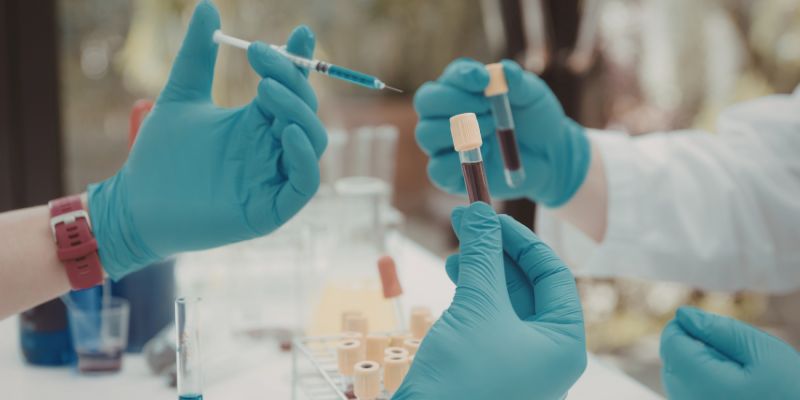
Phlebotomy involves drawing blood for testing, transfusions, and research—an essential function in modern medicine. Healthcare providers rely heavily on accurate blood samples for diagnosis and treatment, making skilled phlebotomists indispensable. According to the U.S. Bureau of Labor Statistics, employment for phlebotomists is projected to grow by 6% from 2024 to 2034, faster than average, with thousands of job openings each year.
For career changers, this field offers a relatively short training period, meaningful work, and a gateway into broader healthcare careers. In this guide by Caring Hands by Delores, LLC, we’ll explore whether pursuing certification is the right move for your future.
What Is Phlebotomy Certification and Why Does It Matter?
Phlebotomy certification is a professional credential that validates your ability to safely and effectively draw blood, handle specimens, and interact with patients. While not always legally required, it is strongly preferred by employers and often essential for competitive roles.
Certification typically includes:
•Classroom instruction (anatomy, safety, procedures)
•Hands-on clinical training
•Passing a standardized exam
Why it matters:
•Demonstrates professional competence
•Builds trust with employers and patients
•Meets hiring requirements in many healthcare settings
For career changers, certification acts as a fast-track credential—helping you transition into healthcare without spending years in school.
Benefits of Phlebotomy Certification for Career Changers
One of the biggest advantages of phlebotomy certification is how quickly it can transform your career trajectory. Here’s why many people choose this path:
Strong Job Opportunities
Healthcare facilities often prefer certified candidates, giving you a competitive edge in hiring.
Faster Entry Into Healthcare
Most programs can be completed in under a year, allowing you to start working quickly.
Professional Credibility
Certification signals dedication and skill, helping you stand out in a crowded job market.
Career Growth Potential
Certified phlebotomists can advance into roles such as:
•Lab technician
•Medical assistant
•Nursing or allied health careers
Patient Trust
Patients feel more comfortable knowing their provider is trained and certified, especially during procedures like blood draws.
For career changers seeking stability and purpose, these benefits make certification a compelling option.
Challenges to Consider Before Getting Certified
While phlebotomy certification has many advantages, it’s not without its challenges. A realistic perspective will help you make an informed decision.
Cost and Time Investment
Training programs require tuition, materials, and exam fees.
Physically and Emotionally Demanding Work
Drawing blood can be stressful, especially when working with anxious patients.
Entry-Level Salary
Although stable, starting salaries may be modest compared to other healthcare roles.
Ongoing Education
Some certifications require renewal and continuing education to stay current.
Understanding these factors ensures you enter the field with clear expectations.
Is Phlebotomy a Good Long-Term Career or a Stepping Stone?
Phlebotomy can be both a long-term career and a stepping stone—depending on your goals.
As a Long-Term Career
•Stable employment
•Consistent demand
•Opportunities for specialization
As a Stepping Stone
Many professionals use phlebotomy as a launchpad into:
•Nursing
•Medical laboratory technology
•Healthcare administration
Because it provides hands-on patient experience, phlebotomy is an excellent foundation for advancing within healthcare.
How to Get Started with Phlebotomy Certification
If you’re ready to pursue this path, here’s a simple roadmap:
Step 1: Research Accredited Programs
Look for reputable schools or training centers that offer hands-on experience.
Step 2: Complete Training
Enroll in a program that includes both classroom learning and clinical practice.
Step 3: Pass the Certification Exam
Prepare thoroughly to meet national standards.
Step 4: Apply for Jobs
Target hospitals, labs, and clinics that value certified professionals.
Step 5: Continue Learning
Stay updated with best practices and renew your certification as needed.
At Caring Hands by Delores, LLC, we believe that proper guidance and training are key to success in any healthcare career.
Conclusion
So, is phlebotomy certification worth it? For many career changers, the answer is a strong yes. It offers a fast, affordable entry into the healthcare field, strong job demand, and opportunities for long-term growth. While it comes with challenges like training costs and entry-level pay, the benefits—especially job stability and career advancement—often outweigh the drawbacks.
Whether you’re seeking a fresh start or a stepping stone into a larger healthcare career, phlebotomy can open doors you may not have considered before. With the right training and mindset, you can build a rewarding future helping others every day.
If you’re ready to take the next step, explore opportunities for phlebotomy certification south carolina and begin your journey with confidence through Caring Hands by Delores, LLC.